نحن مسؤولون عن البناء-----نحن مسؤولون عن التصنيع-----نحن مسؤولون عن التدريب

الثني اليدوي بطيء. يتعب المشغلون، وتتغير الزوايا، وتستغرق الألواح المعقدة وقتًا طويلاً. عندما تنمو الطلبات، تتحول هذه المشاكل الصغيرة إلى تكاليف كبيرة. يساعد ثناء الألواح CNC المصانع على أتمتة عمل ثني الصفائح المعدنية، وتحسين الاتساق، وبناء عملية ثني أكثر ذكاءً.
ثناء الألواح CNC هو آلة ثني صفائح معدنية آلية تثبت قطعة العمل وتستخدم شفرات الثني لطي المادة لأعلى أو لأسفل. إنها مثالية لألواح الحاويات والخزائن وأجزاء الأجهزة وألواح التدفئة والتهوية وتكييف الهواء والأثاث المعدني لأنها تحسن السرعة والدقة وقابلية التكرار مع تقليل التدخل اليدوي.
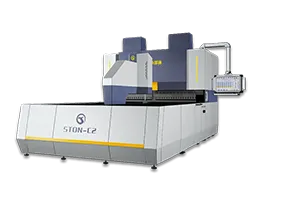
A ثني الألواح باستخدام الحاسب الآلي الرقمي هي آلة مصممة لثني الصفائح المعدنية المسطحة إلى ألواح وصناديق وأبواب وأغطية ورفوف وأجزاء مشكلة أخرى. على عكس مكبس الثني التقليدي، يحمل ثناء الألواح قطعة العمل على طاولة ويستخدم شفرات الثني لطي الحواف. تظل الصفيحة مدعومة أثناء عملية الثني.
يستخدم ثناء الألواح التحكم CNC لإدارة تسلسل الثني وزاوية الثني وارتفاع الثني وحركة المشبك والشفرة. وهذا يجعل العملية أسهل للمشغلين. يمكن للآلة تكرار نفس الثني مرارًا وتكرارًا بجودة مستقرة.
بالنسبة لمصانع الصفائح المعدنية الحديثة، القيمة واضحة. يساعد ثناء الألواح على أتمتة عمليات الثني المتكررة، وتقليل المناولة اليدوية الثقيلة، وتحسين الإنتاجية. إنه مفيد بشكل خاص لأجزاء الصفائح الرقيقة وألواح الحاويات والخزائن الكهربائية وهياكل الأجهزة ومكونات الأثاث المعدني.

تعمل آلة ثني الألواح بطريقة بسيطة ولكن ذكية. أولاً، يضع المشغل أو نظام التحميل الأوتوماتيكي الصفيحة المعدنية على الطاولة. ثم يقوم المشبك بتثبيت قطعة العمل. بعد ذلك، تتحرك شفرة الثني لأعلى أو لأسفل لثني الحافة. يمكن للآلة إجراء عمليات ثني موجبة وسالبة دون أن يقوم المشغل بقلب الجزء عدة مرات.
في كثير من الحالات، تتحكم آلة ثني الألواح تلقائياً في دورة الثني. يقرأ نظام التحكم الرقمي بالحاسوب البرنامج ويحدد ترتيب الثني. وهذا يساعد على تجنب الخطوات الخاطئة ويقلل من الاعتماد على المشغل. بالنسبة للمصانع التي تحتوي على العديد من الأجزاء المتشابهة، فهذا مفيد جداً.
الحركة الأساسية ليست مماثلة لمكابس الثني. تقوم مكبس الثني بدفع لكمة في قالب. أما آلة ثني الألواح فتقوم بطي حافة الصفيحة. هذا الأسلوب الخاص بآلات الطي أفضل للعديد من المنتجات ذات الشكل اللوحي لأن قطعة العمل تظل مدعومة أثناء عملية الثني.
ثني الألواح مناسب لمنتجات الصفائح المعدنية ذات الحواف المتعددة المثنية. غالبًا ما تحتاج هذه الأجزاء إلى زوايا نظيفة وزوايا متسقة وأبعاد قابلة للتكرار. كلما زاد تكرار المنتج، زادت القيمة التي يمكن أن يقدمها جهاز ثني الألواح.
تشمل المنتجات الشائعة:
An enclosure is a good example. It may need several bends on different sides. With traditional bending, an operator may need to rotate and support the part many times. With a CNC panel bender, the machine can complete many bends in a more controlled way.
Panel benders deliver strong value when the part has clear bend lines, suitable flange heights, and stable material thickness. For complex shapes, the supplier should check drawings before confirming the bending solution.

The tool system is the heart of bending quality. A panel bender may use a universal bending tool, bending blade, clamp, blank holder, or automatic tool system depending on the design. These parts hold and fold the metal sheet.
A good clamp keeps the workpiece stable. A good bending blade helps fold the material cleanly. A reliable CNC control system manages the blade movement and bend angle. When these parts work together, the machine can produce stable bends.
Important tool-related points include:
Electrical cabinets and enclosures are one of the strongest applications for CNC panel bending. These products often use thin sheet metal and require multiple clean bends. They also need repeatable sizes because doors, frames, hinges, and locks must fit well.
A panel bender can help improve enclosure production in several ways. It keeps the sheet supported, reduces manual flipping, and completes repeated bends quickly. This helps the factory make cleaner cabinet doors, side panels, and covers.
For an electrical cabinet factory, the workflow may look like this:
Laser cutting → punching → panel bending → welding or fastening → surface treatment → assembly
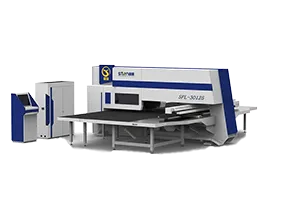
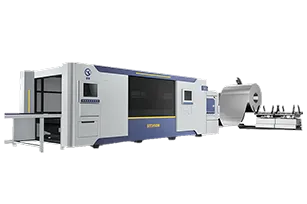
If the factory also uses a turret punch press or laser cutting unit, panel bending becomes part of a larger automated sheet metal process. This helps improve precision and efficiency from flat sheet to finished cabinet.

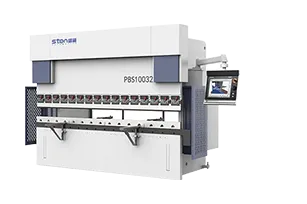
Traditional bending often depends on a press brake and an experienced operator. The operator positions the sheet, checks the backgauge, supports the part, and repeats the bend. This is flexible, but it can be tiring and inconsistent for large panels.
Unlike a press brake, a panel bender supports the sheet during the bend. The bending blade folds the edge while the sheet stays on the working table. This makes it easier to handle panels, especially when the part has several sides.
Traditional bending is still important. But when a factory wants high-efficiency bending for repeated sheet metal parts, a ثني الألواح باستخدام الحاسب الآلي الرقمي can be a better option. It reduces operator pressure and supports a more automated bending workflow.
To choose the right panel bender, start with your parts. Do not start with the price. A lower price may look attractive, but if the machine cannot bend your real products, the cost becomes higher later.
Buyers should check these details:
If your parts are mostly electrical cabinets, HVAC panels, appliance panels, and metal furniture panels, a panel bender may be a strong investment. If you handle many thick plates and special one-off parts, you may still need CNC press brakes.
Choosing the right panel also means checking supplier support. Ask about drawing review, sample testing, installation, training, spare parts, and remote guidance.
CNC control makes panel bending more repeatable. It helps the machine follow a set program instead of relying only on manual operation. For factories that make many repeated parts, this is a major advantage.
Advanced CNC systems can manage bending sequence, angle control, blade movement, and sometimes automatic correction. This helps reduce human error. It also makes training easier for new operators.
An automatic ثني الألواح باستخدام الحاسب الآلي الرقمي is especially valuable when the factory needs fast order changeover. The operator can call up the program, load the sheet, and let the panel bender automatically complete the bend sequence.
Panel benders fit well into smart sheet metal factories. They can connect with laser cutting machines, turret punch presses, press brakes, loading and unloading systems, and production management software.
A smart workflow may look like this:
CAD design → nesting → laser cutting or punching → panel bending → welding → assembly → inspection
This type of automation helps reduce waiting time between processes. It also makes production easier to track. For factories that want to reduce labor cost and improve delivery, automated bending is a practical step.
Some factories may start with one CNC panel bender. Later, they may add robotic loading, automatic sheet handling, or a fully automated production line. The path can grow step by step.
STON is a China-based CNC sheet metal machinery manufacturer. We provide panel benders, turret punch presses, press brakes, laser cutting units, and automated production lines. Our goal is to help global manufacturers improve processing efficiency, reduce labor costs, and build smarter factories.
STON CNC panel benders are designed for sheet metal fabricators, electrical cabinet factories, HVAC manufacturers, appliance producers, metal furniture makers, and machinery distributors. These customers need stable quality, fast response, clear technical communication, and reliable after-sales support.
Useful STON internal links:
When you send drawings, material details, and production goals, STON can help check whether a panel bender, press brake, or combined automation solution is better for your factory.
A ثني الألواح باستخدام الحاسب الآلي الرقمي is an automated sheet metal bending machine. It clamps the sheet and uses a bending blade to fold the edge up or down according to a CNC program.
A press brake pushes a punch into a die to bend the sheet. A panel bender folds the sheet edge with a bending blade while the workpiece stays supported on the table.
Panel bending is best for electrical cabinets, enclosures, HVAC panels, appliance shells, metal furniture, shelves, doors, covers, and other sheet metal panel products.
No. A panel bender is excellent for repeated panel parts, but press brakes are still useful for thick plates, special profiles, and many flexible fabrication jobs.
Panel benders can process mild steel, stainless steel, aluminum, galvanized sheet, and other sheet metal materials, depending on machine model, thickness, and part size.
Yes, it can be suitable if the parts are panel-shaped and repeated often. For very random parts, a press brake may be more flexible.
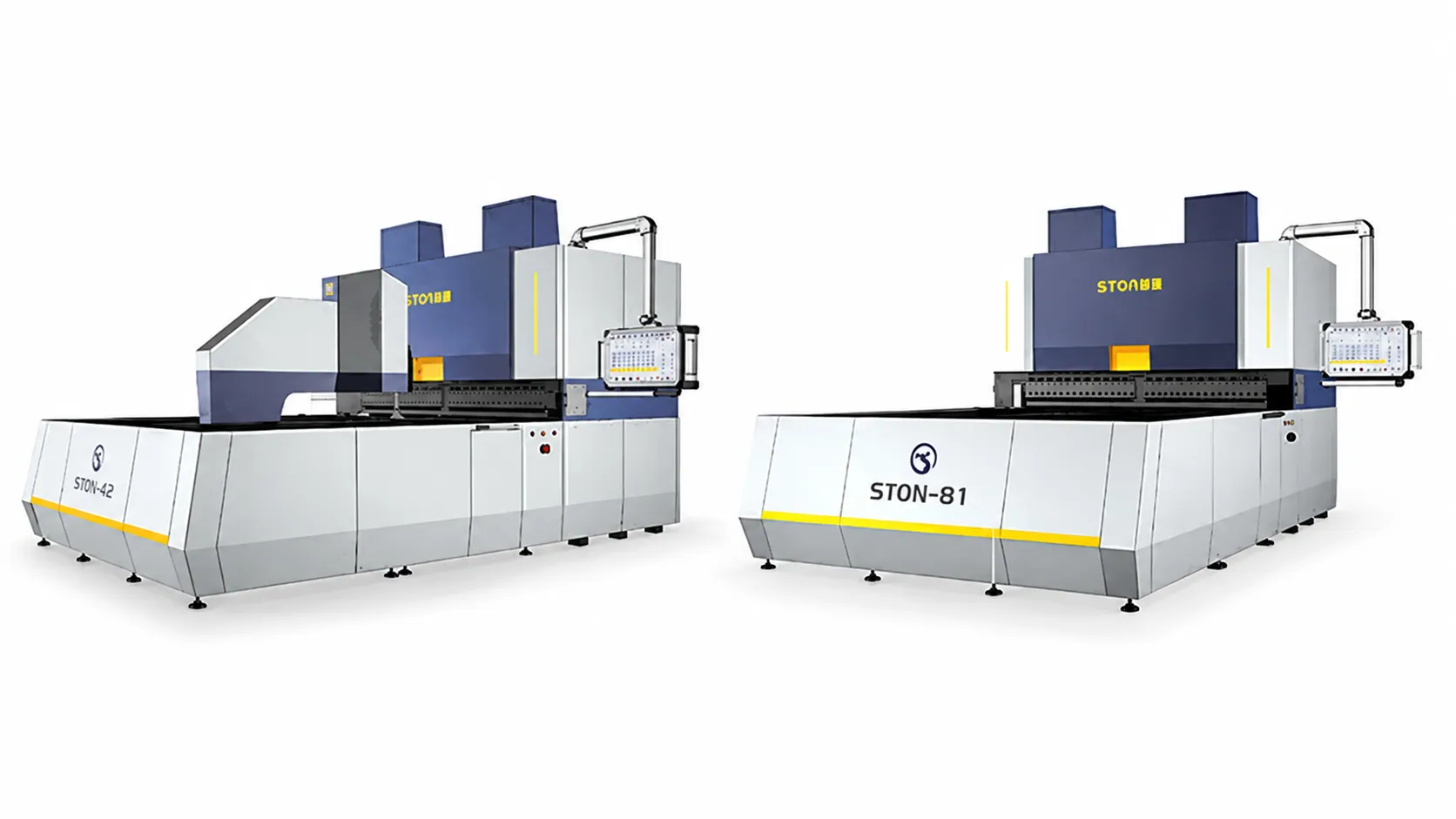
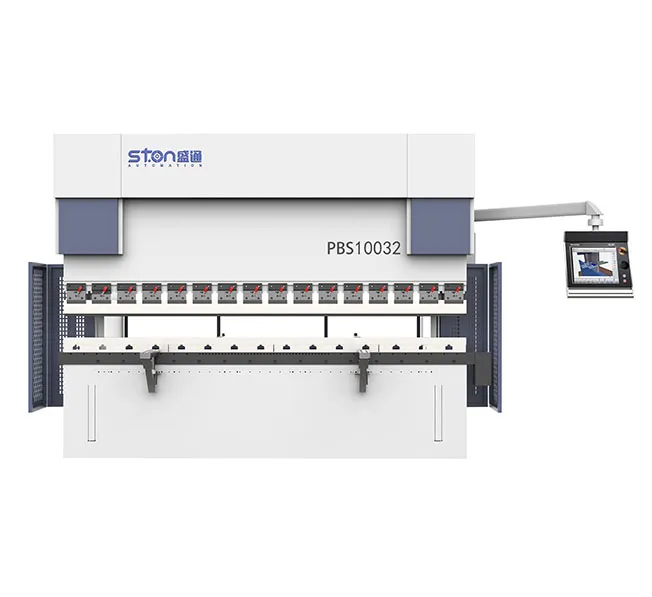
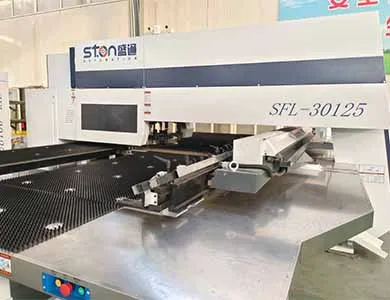
سواء أكنت تقوم بترقية خط إنتاج قائم أو تبدأ مشروعًا جديدًا، فإن STON ستخصص حلاً بنظام التحكم الرقمي للإنتاج الخاص بك.