نحن مسؤولون عن البناء-----نحن مسؤولون عن التصنيع-----نحن مسؤولون عن التدريب

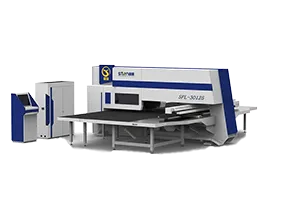
A مكبس تثقيب البرج الدوّار تقوم بفهرسة قرص دوار من اللكمات والقوالب فوق صفيحة، مع الضرب على محطة واحدة في كل مرة لقص الثقوب أو الشقوق أو الفتحات الهوائية أو الأشكال المنقوشة. بالنسبة للأجزاء الكثيفة بالثقوب — شبكات التهوية، الألواح المثقبة، أبواب لوحات التحويل — فهي تتفوق على القطع بالليزر من حيث التكلفة لكل قطعة، على الرغم من أن الليزر يتفوق في حرية هندسة القطع.
يواجه برجان بعضهما البعض — اللكمات في الأعلى، والقوالب المطابقة في الأسفل. تبقى الصفيحة مثبتة بينهما على طاولة عمل، ويقوم محرك سيرفو أو ميكانيكي بفهرسة كلا البرجين بشكل متزامن بحيث يصطف زوج اللكمة والقالب الصحيح تحت المطرقة. تضرب المطرقة، تتقدم الصفيحة، يدور البرج مرة أخرى. كرر ذلك بضع مئات من المرات في الدقيقة وستحصل على لوحة جاهزة من الثقوب أو الفتحات الهوائية أو الأضلاع المنقوشة.
هذه هي الآلية بأكملها. ما يميز مكبس لكم برجي عن آخر هو مدى سرعة حدوث هذه الفهرسة، ومدى دقة تكرارها، وعدد المحطات المحملة والجاهزة دون الحاجة لتغيير الأداة يدوياً.
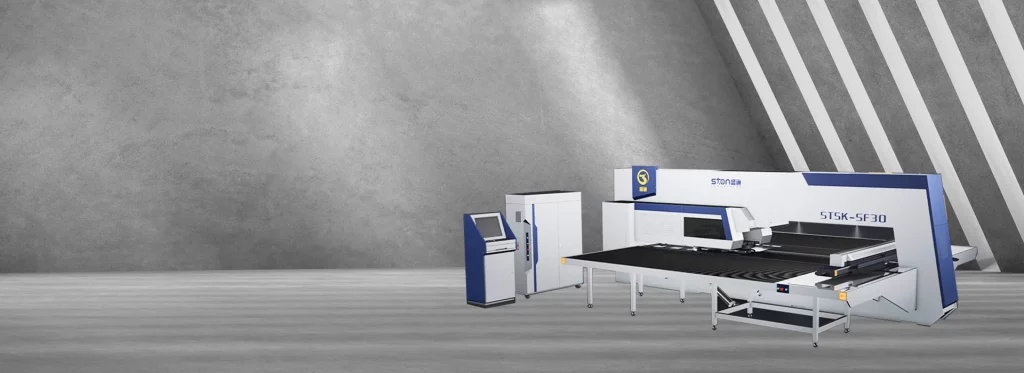
ستون تصنع كلا النوعين من المحركات، وتُظهر أوراق المواصفات بالضبط أين يظهر الفرق — ليس في الدقة، بل في السرعة وتكلفة التشغيل.
| المعلمة | ماكينة التثقيب بالبرج الميكانيكي CNC | ماكينة التثقيب بالبرج السيرفو CNC |
|---|---|---|
| السرعة القصوى للبرج | 30 دورة في الدقيقة | 40 دورة في الدقيقة |
| Machining accuracy | ±0.1 mm | ±0.1 mm |
| Max load capacity | 150 kg | 150 kg |
| Combined power consumption | ≤2 kW | Approx. 3–5 kW |
| Air source pressure | 0.55 MPa | 0.55 MPa |
| مزود الطاقة | 380 V ±5% | 380 V ±5% |
| External dimensions | 5200 × 5000 mm / 5500 × 2100 mm (X × Y × height) | 5200 × 5000 / 5500 / 6500 × 2230 mm |
| Drive mechanism | Proprietary flywheel system; dual-chain drive mold system | RTEX bus servo units; dual-chain drive with heat exchanger and oil cooler |
Positional accuracy is identical on paper (±0.1mm on both), which tells you the servo model isn’t buying precision — it’s buying throughput. A 40 rpm turret index rate versus 30 rpm compounds fast on high-hole-count parts, and the servo drive’s oil cooler and heat exchanger are there specifically to hold that higher cycle rate without thermal drift over a full shift. The trade-off is power draw: roughly double the combined consumption of the mechanical model.
Both drive types share a worm-gear hard-connection rotary station design with an internal copper shaft, and both use a dual-chain drive system on the mold indexing — STON’s spec sheets note this extends the chain-tensioning service interval to over a year on either machine, which matters more on the mechanical model since it has no servo feedback loop to compensate for chain stretch.
This is the comparison most buyers actually need, and it isn’t close to a universal answer.
Turret punch wins on:
Laser cutting wins on:

ستون‘s turret tooling (documented on the SFL combined line) uses standard station classes — 16A, 11B, 3C, 2D, plus rotary workstations 1B and 1C — a naming convention shared across the industry’s 85-series long-guide tooling standard rather than a proprietary system. If a supplier’s spec sheet lists die types you don’t recognize against this naming, ask directly whether the tooling is interchangeable with 85-series standard punches — non-standard turret tooling locks you into a single supplier for every future die purchase.
The turret station count gets treated as the headline spec, and it’s the wrong one to lead with. A turret loaded with 40 stations you rarely use adds nothing over a 20-station turret matched to your actual part library — and it adds index time, since a mechanical or servo drive still has to rotate past unused stations to reach the next active one on some part programs.
The number that actually predicts your cycle time is turret index speed (30 rpm mechanical vs 40 rpm servo above) combined with your part’s hole count and pattern complexity — not raw station capacity. Before comparing station counts between suppliers, pull your actual part library and count how many distinct punch/die combinations you use across your top 20 SKUs. That number, not the turret’s theoretical maximum, is what should drive the tooling spec.
تعرض معظم مواقع الشركات المصنعة مكبس التثقيب البرجي ككتلة مواصفات واحدة — قوة الضغط وعدد المحطات وصورة مخزنة — دون الفصل بين ما تتداوله بالفعل نسخ المحرك الميكانيكي والسيرفو مقابل بعضها البعض، أو شرح كيفية ارتباط عدد المحطات بوقت الدورة الفعلي. الجدول أعلاه الخاص بالميكانيكي مقابل السيرفو يهدف إلى سد هذه الفجوة: نفس مطالبة الدقة، ولكن ملف سرعة وطاقة مختلف، ويحتاج المشتري إلى كلا الرقمين لتحديد حجم الآلة المناسبة بدلاً من الافتراض التلقائي “للنسخة السيرفو” على افتراض أن السيرفو يعني دائمًا أفضل.
س: ما الفرق الحقيقي بين مكبس التثقيب البرجي الميكانيكي والسيرفو؟
ج: دقة الموضع هي نفسها في أوراق مواصفات STON (±0.1 مم في كلتا الحالتين). يعمل محرك السيرفو بفهرسة برجية أسرع (40 دورة في الدقيقة مقابل 30 دورة في الدقيقة) ويضيف مبادل حراري ومبرد زيت للحفاظ على هذا المعدل، بقوة استهلاك تبلغ تقريبًا ضعف الطاقة.
Q: Can a turret punch press replace laser cutting entirely?
A: No — it can’t cut free-form, non-repeating geometry without a matching die, and it can’t match a laser’s edge finish on thin, complex contours. It wins specifically on repetitive hole patterns and on forming operations (embossing, louvering) a laser can’t perform.
Q: How many turret stations do I actually need?
A: Fewer than most spec sheets lead with. Count the distinct punch/die shapes across your actual production part library rather than sizing to a theoretical maximum station count.
Q: Is a punch-laser combined machine worth it over a standalone turret punch press?
A: If your part family mixes hole-dense sections with free-form cuts in the same piece, yes — it removes a secondary clamping and alignment step. If your parts are purely repetitive holes, a standalone turret punch press is the simpler, lower-cost choice.
Q: What tooling standard should I check for compatibility? A: Ask whether the turret uses standard 85-series long-guide die stations. Proprietary die naming without that reference point can lock you into a single tooling supplier.
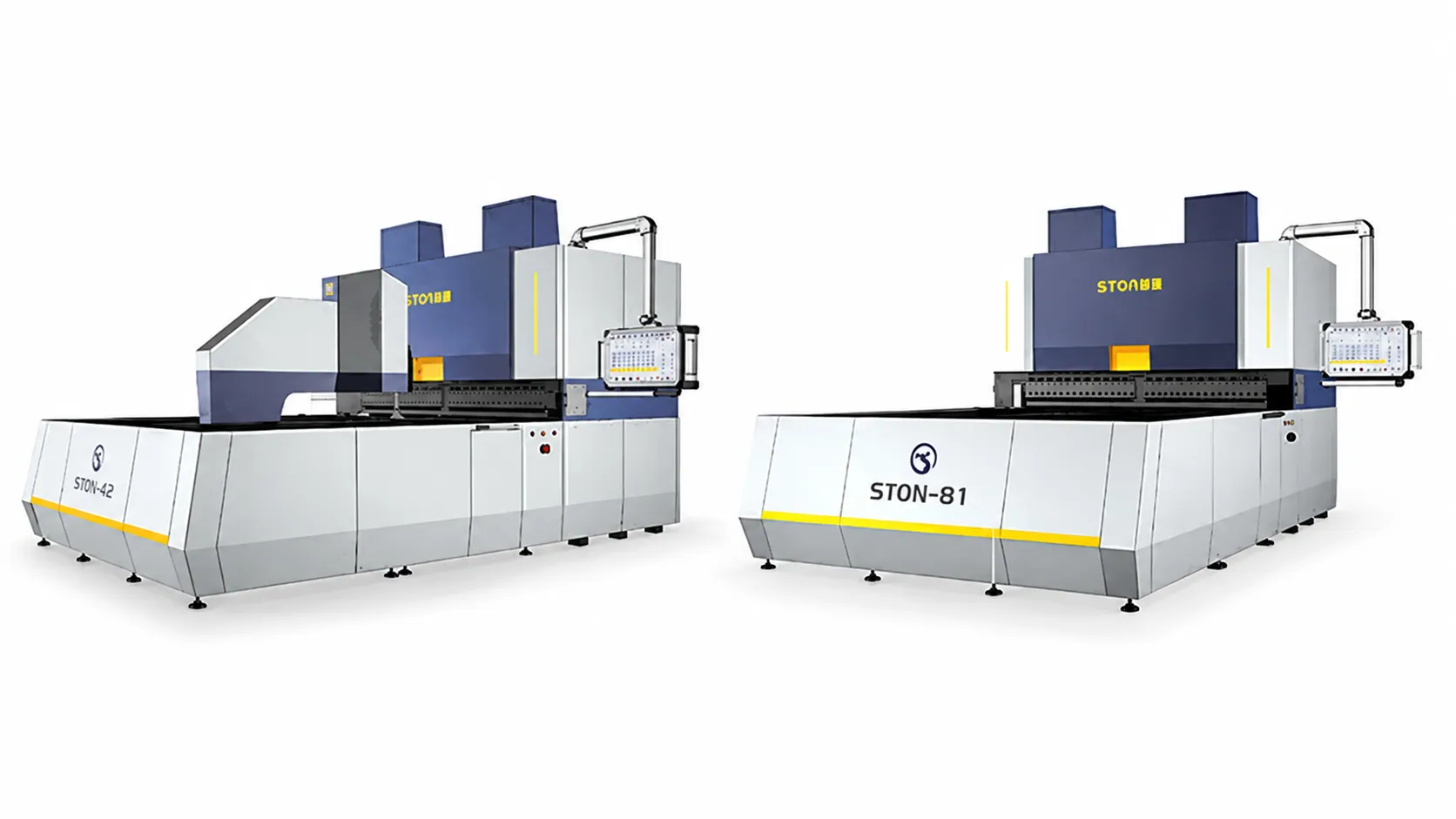
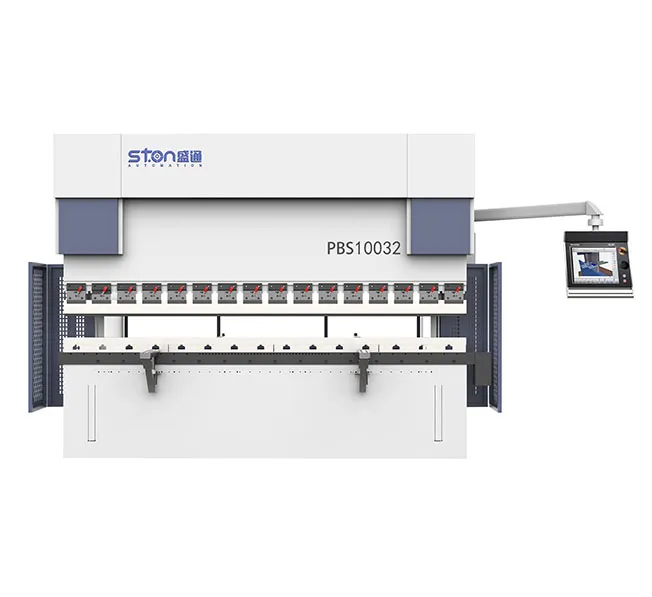
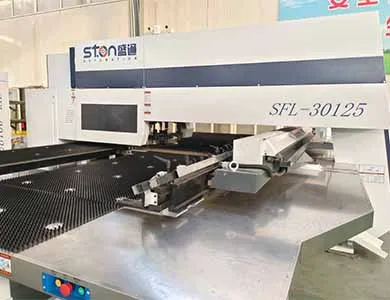
سواء أكنت تقوم بترقية خط إنتاج قائم أو تبدأ مشروعًا جديدًا، فإن STON ستخصص حلاً بنظام التحكم الرقمي للإنتاج الخاص بك.